Tricklestar Power Strip Instructions: A Comprehensive Guide
Kick, a rising livestreaming platform, mirrors familiar tools for creators, while viewers explore channels and categories; it’s backed by Stake.com.
Understanding Tricklestar Power Strips
Tricklestar power strips represent a modern approach to power management, differing significantly from traditional models. Platforms like Kick, gaining traction with streamers like xQc and Asmongold, emphasize real-time connection – a parallel to Tricklestar’s dynamic power distribution. These strips aren’t simply about expanding outlet availability; they intelligently manage power flow to connected devices.
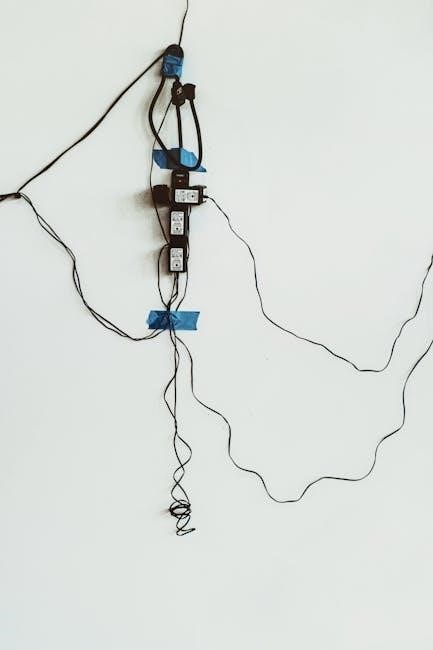
Unlike standard power strips, Tricklestar units often incorporate advanced features like auto-off functionality and energy monitoring, mirroring the interactive experience offered by Kick: Live Streaming. They are designed to optimize energy usage, potentially reducing standby power consumption. The core principle revolves around identifying and shutting off power to devices not actively in use, a feature increasingly valued by tech-savvy users, much like the appeal of Kick’s live, immediate content.
Understanding these nuances is crucial for maximizing the benefits of a Tricklestar power strip, ensuring efficient and safe operation. The platform Kick, backed by Stake.com, also prioritizes a secure and reliable experience for its users.
What is a Tricklestar Power Strip?
A Tricklestar power strip is an intelligent power distribution device designed to conserve energy and protect electronics. Unlike conventional strips, it actively monitors connected devices, differentiating between “active” and “standby” modes, similar to how Kick: Live Streaming distinguishes active streamers from viewers. It automatically cuts power to devices in standby, reducing phantom loads – energy wasted when devices are switched off but still drawing power.
This functionality is achieved through sophisticated circuitry and power sensing technology. Think of it as a smart gatekeeper for electricity, mirroring Kick’s platform for content creators. The strip identifies when a device is no longer actively being used (like a TV turned off with a remote) and then interrupts power flow. This isn’t simply a timer; it’s responsive to actual device usage.
Backed by companies like Stake.com, Kick prioritizes efficient streaming; similarly, Tricklestar prioritizes efficient energy use; It’s a proactive approach to power management, offering both cost savings and environmental benefits.
Key Features and Benefits
Tricklestar power strips boast several key features. Primarily, they offer automatic power-saving capabilities by eliminating phantom loads, much like Kick: Live Streaming eliminates barriers for creators. This translates to reduced electricity bills and a smaller carbon footprint. Surge protection safeguards connected devices from voltage spikes, mirroring Kick’s security measures for its platform.
Many models include USB charging ports for convenient device powering, akin to the accessibility of Kick’s app on various devices. Advanced models offer energy monitoring, allowing users to track power consumption, similar to tracking viewership on Kick. Some even feature auto-off timers for scheduled power cuts.
The benefits extend beyond cost savings. By reducing energy waste, Tricklestar contributes to environmental sustainability, reflecting Stake.com’s investment in the platform. They provide peace of mind knowing electronics are protected, and offer a user-friendly approach to energy management.
Types of Tricklestar Power Strips Available
Tricklestar offers a diverse range of power strips catering to varied needs, much like Kick: Live Streaming caters to diverse content creators. Basic models provide surge protection and multiple outlets, functioning as a foundational power solution. Advanced models incorporate automatic power-saving features, eliminating phantom loads – a core Tricklestar benefit.
USB charging port equipped strips are popular, offering convenient charging for phones and tablets, mirroring Kick’s accessibility across devices. Energy monitoring strips display real-time power consumption, allowing users to track usage, similar to monitoring channel statistics on Kick. Some strips include auto-off timers for scheduled power control.
Wall-mount options are available for space-saving installations, while heavy-duty strips offer higher surge protection and power capacity. Like Stake.com backing Kick, Tricklestar provides options for different levels of protection and functionality.
Setting Up Your Tricklestar Power Strip
Gmail allows account access via computers or mobile apps, ensuring email accessibility; similarly, Tricklestar setup requires a power outlet and device connections.
Unboxing and Initial Inspection
Upon receiving your Tricklestar power strip, carefully remove it from the packaging. Retain the original box and packing materials for potential future returns or warranty claims. A thorough initial inspection is crucial before connecting the strip to a power source.
Visually examine the power strip for any signs of physical damage incurred during shipping. Look for cracks, dents, or loose components; Inspect the power cord for cuts or fraying. Verify that all ports – standard AC outlets and USB charging ports – are present and appear undamaged.
Confirm that the power button is functional and not stuck in either the ‘on’ or ‘off’ position. Check the indicator lights; they should not be illuminated if the strip is not yet plugged in. Ensure the surge protector is intact – there should be no visible signs of tampering. If any damage is detected, do not use the power strip and contact the retailer or manufacturer immediately. A damaged power strip poses a significant safety hazard.
Connecting to a Power Outlet
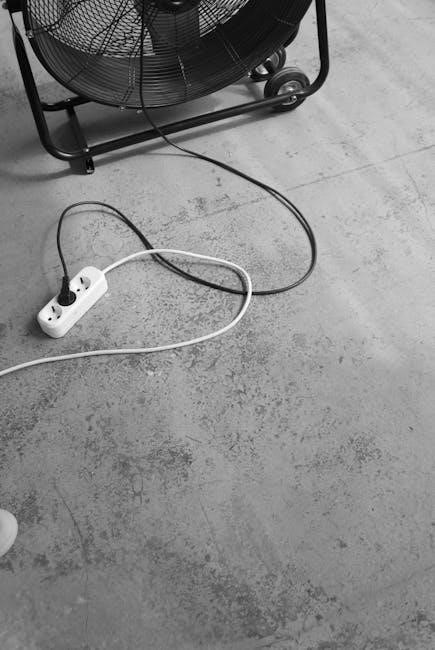
Before connecting your Tricklestar power strip, ensure the outlet you intend to use is properly grounded and meets the voltage requirements of the strip – typically 125V AC, 60Hz. Avoid using extension cords or adapters, as they can increase the risk of overloading and fire.
Firmly insert the power strip’s plug into the wall outlet. It should fit snugly and without requiring excessive force. If the plug doesn’t fit, do not attempt to modify it. Using a loose-fitting plug can create a fire hazard. Once connected, the power strip’s indicator light should illuminate, confirming it’s receiving power.
If the indicator light doesn’t illuminate, check the outlet by plugging in another device. If the outlet is faulty, consult a qualified electrician. Never bypass the grounding pin on the plug. Proper grounding is essential for surge protection and safety. Remember, Kick streaming emphasizes real-time connection, mirroring the importance of a secure power connection for your devices.
Identifying the Different Ports
Your Tricklestar power strip features a variety of ports designed to accommodate different devices. Standard AC outlets are for typical household electronics – lamps, TVs, and game consoles. These are usually the largest ports on the strip. USB-A ports are for charging older USB devices like smartphones and tablets, while USB-C ports offer faster charging for newer devices.
Some Tricklestar models include Smart Ports, which can detect the connected device and optimize power delivery. Look for ports labeled “Smart” or with a distinct icon. Pay attention to the amperage rating of each USB port; higher amperage means faster charging.
Like Kick’s diverse streaming categories, the Tricklestar offers varied connectivity. Ensure you match the device’s power requirements to the appropriate port. Avoid overloading any single port. Refer to the power strip’s labeling for specific port details and maximum output ratings.
Understanding the Power Button and Indicator Lights
The power button on your Tricklestar power strip controls the flow of electricity to all connected devices. A simple press typically turns the strip on or off. Indicator lights provide crucial information about the strip’s status. A solid power light indicates the strip is receiving power and functioning normally.
Surge protection indicators confirm that surge protection is active, safeguarding your electronics. Some models have separate lights for each outlet, showing whether power is being delivered; A flashing light might signal an overload or a fault condition, requiring immediate attention.
Much like Kick’s live streaming notifications, these lights keep you informed. If the power light is off, check the power source and the circuit breaker. Refer to the user manual for specific light patterns and their meanings. Understanding these indicators ensures safe and efficient operation.

Using the Tricklestar Power Strip
KICK: Live Streaming connects creators and communities in real time, offering familiar broadcast tools, mirroring the ease of using this power strip.
Connecting Your Devices
Before connecting devices to your Tricklestar power strip, ensure each device is switched off to prevent potential surges during connection. Carefully identify the appropriate port for each device – standard AC outlets for larger electronics, and USB ports for charging smaller gadgets like smartphones or tablets.
Plug each device’s power cord firmly into the chosen outlet. For USB connections, use a compatible USB cable to connect your device to the power strip’s USB port. KICK, like a power strip, connects creators and communities; similarly, ensure a secure connection for optimal performance.
Avoid daisy-chaining power strips or extension cords, as this can overload the circuit. Remember that the power strip is designed to distribute power safely within its capacity. Always prioritize safety and follow the manufacturer’s guidelines for each connected device. Kick’s platform, backed by Stake.com, also prioritizes a secure experience.
Maximum Power Capacity and Load Balancing
Understanding your Tricklestar power strip’s maximum wattage is crucial for safe operation. This information is typically found on a label affixed to the strip itself – often expressed in Watts (W) or Amperes (A). Exceeding this limit can trip the overload protection, interrupting power to all connected devices.
Load balancing involves distributing your devices across different circuits to prevent any single circuit from becoming overloaded. Avoid plugging all high-wattage appliances (like heaters or hair dryers) into the same strip. KICK, a livestreaming platform, balances creators and communities; similarly, balance the load!
Consider the power consumption of each device before connecting it. If you’re unsure, check the device’s power adapter or manual. Proper load balancing ensures stable power delivery and prolongs the life of both your power strip and connected electronics. Kick’s features, like those of a power strip, are best utilized within defined limits.
Utilizing the USB Charging Ports
Tricklestar power strips often include USB-A and/or USB-C ports for convenient device charging. These ports deliver a specific amount of power, measured in Amperes (A) or Watts (W). Check the specifications of your power strip to determine the output of each port.
Modern smartphones and tablets typically require 2.4A or higher for fast charging. Ensure your devices are compatible with the USB standard supported by the power strip. Like KICK connecting creators and viewers, USB ports connect devices to power.
Avoid connecting devices that draw excessive power through the USB ports, as this can overload the circuit. Prioritize charging smaller devices like phones and earbuds. Remember, while convenient, USB charging is generally slower than using a dedicated wall adapter. Kick’s livestreaming requires stable connections; similarly, USB charging needs a stable power source.
Smart Features: Auto-Off and Energy Monitoring
Certain Tricklestar models boast smart features like auto-off timers and energy monitoring capabilities. Auto-off functionality allows you to schedule the power strip to turn off after a set period, conserving energy and reducing standby power consumption. This is similar to KICK’s platform connecting creators and communities in real-time.
Energy monitoring, if available, tracks your power usage in real-time or provides historical data. This information can help you identify energy-hungry devices and adjust your habits accordingly. Configuration typically involves connecting the power strip to a mobile app via Wi-Fi.
The app interface allows you to set timers, view energy consumption charts, and potentially control individual outlets remotely. Like Gmail’s encryption, these features enhance control and security. Remember to consult your power strip’s manual for specific instructions on enabling and utilizing these smart features.

Troubleshooting Common Issues
Kick, backed by Stake.com, offers livestreaming for gaming, music, and more; similar to resolving power strip issues, it requires careful attention to detail.
Power Strip Not Turning On
If your Tricklestar power strip fails to power on, begin with the basics: ensure the power cord is securely connected to both the strip and a functioning wall outlet. Verify the outlet itself is receiving power by testing it with another device. Next, check the power button on the strip – some models have a recessed or sensitive button that requires a firm press.
Examine the indicator lights; if none are illuminated, it suggests a complete power failure. If some lights are on, but the strip isn’t distributing power, the overload protection may have tripped. Resetting the strip (refer to the ‘Resetting the Power Strip’ section) might resolve this.
Consider that, like Kick, a livestreaming platform requiring stable connections, your power strip needs a consistent power source. If problems persist, a faulty internal component could be the cause, necessitating replacement. Remember Kick’s reliance on Stake.com; similarly, your strip relies on proper functionality.
USB Ports Not Working
If the USB ports on your Tricklestar power strip aren’t functioning, first confirm your USB cable is properly connected to both the device and the strip. Try a different USB cable to rule out a cable issue. Test the USB ports with multiple devices – a phone, tablet, or other USB-powered accessory – to determine if the problem is device-specific.
Some Tricklestar models prioritize power distribution; if the total load exceeds the USB port’s capacity, certain ports might deactivate. Reduce the number of devices connected to the USB ports. Like Kick, a platform connecting creators and communities, the USB ports need a stable connection to function.
If issues continue, a faulty USB port or internal circuitry could be the cause. Remember Kick’s backing by Stake.com; similarly, your strip needs internal components to work. Contact customer support for assistance or consider replacing the power strip.
Overload Protection Tripping
If your Tricklestar power strip’s overload protection is frequently tripping, it indicates the connected devices are drawing more power than the strip can safely handle. Immediately disconnect some devices, starting with those consuming the most energy – appliances like heaters or hair dryers. Remember, like Kick’s live streaming, power demands can fluctuate.
Check the power strip’s maximum wattage rating (usually printed on the device) and ensure the total wattage of all connected devices doesn’t exceed this limit. Consider distributing the load across multiple power strips or circuits. Just as Kick connects creators and communities, your devices need a stable power source.
Repeated tripping could also signal a faulty power strip. If the issue persists even after reducing the load, discontinue use and replace it. Kick, backed by Stake.com, prioritizes stability; your power strip should too.
Indicator Lights Malfunctioning
If the indicator lights on your Tricklestar power strip aren’t functioning correctly – either not illuminating, flickering, or displaying incorrect status – it could indicate a few issues. First, ensure the power strip is firmly plugged into a working outlet, similar to how Kick maintains a stable connection for streamers.
A faulty indicator light doesn’t necessarily mean the power strip isn’t providing power, but it does suggest an internal problem. Like Kick’s platform, which requires constant monitoring, the lights offer crucial feedback. If a surge protector indicator is off, surge protection may be compromised.
If lights flicker erratically, it could be a sign of voltage fluctuations. Consider testing the outlet with another device. If the problem persists, or if lights are completely dead, it’s best to replace the power strip, ensuring continued safety, much like Stake.com’s secure platform.

Advanced Features and Settings

Gmail prioritizes encryption and user control, mirroring advanced Tricklestar settings like energy monitoring and auto-off timers for optimized power usage and safety.
Configuring Energy Monitoring (if applicable)
If your Tricklestar power strip model includes energy monitoring capabilities, accessing and configuring these features typically involves a companion mobile application – KICK: Live Streaming – or a web-based interface. Begin by downloading and installing the appropriate application on your smartphone or tablet, ensuring compatibility with your device’s operating system.
Once installed, create an account or log in if you already have one. The application will guide you through the process of connecting to your Tricklestar power strip, often utilizing Bluetooth or Wi-Fi connectivity. After successful pairing, navigate to the energy monitoring section within the app.
Here, you can often view real-time power consumption data for connected devices, historical usage trends, and estimated energy costs. Some models allow you to set energy usage alerts, notifying you when devices exceed a predefined power threshold. Explore the application’s settings to customize data display preferences and configure reporting intervals. Remember to regularly update the application to benefit from the latest features and performance improvements, similar to Kick’s frequent updates.
Setting Up Auto-Off Timers
Many Tricklestar power strips offer programmable auto-off timers, a valuable feature for conserving energy and enhancing safety. Configuration is usually managed through the associated mobile application – mirroring the interface of platforms like KICK: Live Streaming – or a dedicated web portal. Begin by ensuring your power strip is connected to the network and paired with the application.
Within the application, locate the “Timers” or “Scheduling” section. Here, you can create customized schedules for automatically turning off connected devices. Options typically include setting specific start and end times, selecting days of the week for activation, and defining the duration of the auto-off period.
For example, you might schedule a lamp to turn off automatically after midnight or a gaming console to power down after a set period of inactivity. Save your configurations and test the timer functionality to confirm it operates as expected. Regularly review and adjust schedules as needed to optimize energy savings and convenience, much like streamers adjust their Kick schedules.
Understanding Surge Protection Levels
Tricklestar power strips incorporate surge protection to shield connected devices from voltage spikes, similar to how Gmail encrypts your data for security. Surge protection is measured in Joules – a higher Joule rating indicates greater protection capacity. Common ratings range from 600 to 2000 Joules, with higher-end models offering even greater safeguards.
A power strip’s clamping voltage is another crucial factor; it represents the voltage level at which the surge protector begins diverting excess voltage. Lower clamping voltages are preferable, as they offer faster and more effective protection. Look for a UL listing, signifying the power strip meets established safety standards, much like Kick’s commitment to platform safety.
Consider the sensitivity of your connected devices. Sensitive electronics, like computers and home theater systems, require higher Joule ratings and lower clamping voltages. Regularly inspect your power strip for signs of wear or damage, as a compromised surge protector may not provide adequate protection.
Resetting the Power Strip
Occasionally, a Tricklestar power strip may require a reset, similar to signing into your Gmail account. This is often necessary after an overload event or if the power strip stops functioning correctly. The reset procedure typically involves disconnecting all devices from the power strip and then unplugging the power strip itself from the wall outlet.
Wait approximately 60 seconds before plugging the power strip back into the outlet. This allows any internal components to fully discharge. Once plugged back in, press the power button (if equipped) to restore power. Then, reconnect your devices one by one, observing for any issues.
If the power strip continues to malfunction after resetting, it may indicate a more serious problem. Just as Kick provides support for streamers, consult the Tricklestar documentation or contact customer support for assistance. Do not attempt to disassemble or repair the power strip yourself.

Safety Precautions
Like securing your Gmail, avoid overloading, ensure proper grounding, and keep the strip away from water; safe disposal is also crucial for longevity.
Avoiding Overloading the Power Strip
Overloading a Tricklestar power strip poses a significant fire hazard and can damage both the strip itself and the connected devices. To prevent this, always calculate the total wattage of all devices you intend to plug into the strip. This wattage should never exceed the power strip’s maximum capacity, clearly indicated on its label – typically around 1875 watts or 15 amps at 125 volts.
Consider the startup surge current of devices like refrigerators or power tools, which momentarily draw significantly more power than their running wattage. Distribute high-wattage appliances across multiple circuits to avoid concentrated loads. Regularly check the power strip for signs of overheating, such as a burning smell or warped plastic. If you notice any of these, immediately unplug all devices and discontinue use. Prioritizing safe usage ensures the longevity of your Tricklestar and protects your valuable electronics, much like securing your Gmail account.
Proper Grounding Procedures
Proper grounding is crucial for the safe operation of your Tricklestar power strip and connected devices. Ensure the outlet you’re using is a three-prong grounded outlet, providing a path for stray electrical currents to safely return to the source. Never defeat the ground pin on the plug to force it into a two-prong outlet, as this eliminates vital safety protection.

Inspect the power strip’s grounding wire regularly for damage. If the wire is frayed or broken, discontinue use immediately and replace the strip. A properly grounded system minimizes the risk of electric shock and protects against voltage surges, similar to how Gmail encrypts your emails for privacy. Avoid using extension cords in conjunction with the power strip unless absolutely necessary, and if you do, ensure the extension cord is also properly grounded and rated for the total load. Prioritizing grounding safeguards your home and electronics.
Keeping Away From Water and Moisture
Water and electricity are a dangerous combination; therefore, it’s paramount to keep your Tricklestar power strip away from any sources of moisture. This includes avoiding use in bathrooms, kitchens (near sinks), laundry rooms, or outdoors where it could be exposed to rain or spills. Even seemingly minor moisture can create a short circuit, potentially leading to fire or electric shock, much like compromised security on a platform like Kick could expose user data.
Never attempt to operate the power strip if it has been submerged in water. Allow it to dry completely – and have it inspected by a qualified electrician – before considering reuse. Be mindful of condensation; avoid placing the strip in areas prone to high humidity. Regularly check for any signs of water damage, such as corrosion or discoloration. Protecting the power strip from moisture is a fundamental safety precaution.
Safe Disposal of the Power Strip
When your Tricklestar power strip reaches the end of its lifespan, responsible disposal is crucial. Do not simply throw it in the regular trash. Power strips contain electronic components and materials that can be harmful to the environment if improperly discarded, similar to the potential risks associated with unregulated platforms like Kick.
Instead, seek out local electronic waste (e-waste) recycling programs. Many municipalities and retailers offer collection events or drop-off locations for electronic devices. Check with your local waste management authority for specific guidelines. Properly recycling ensures that valuable materials are recovered and hazardous substances are handled safely. Before disposal, disconnect the power strip from the outlet and remove any batteries if applicable. Contributing to e-waste recycling is a vital step towards environmental sustainability.