Alberta Dental Association Fee Guide: A Comprehensive Overview (2026)
As of April 30‚ 2026‚ Alberta’s dental fee structure is undergoing significant updates‚ exceeding those of other Canadian provinces.
The Alberta Dental Association’s new guide
raises concerns about the Canadian Dental Care Plan’s impact on dentists’ practices and patient costs.
Dental fees in Alberta are a crucial aspect of accessing oral healthcare‚ and understanding their structure is paramount for both patients and practitioners; As of late April 2026‚ Alberta stands out with a notably higher fee schedule compared to other provinces across Canada. This difference isn’t arbitrary; it reflects a complex interplay of factors impacting the cost of providing dental services within the province.
The Alberta Dental Association (ADA) plays a central role in establishing and publishing the annual fee guide‚ which serves as a benchmark for reasonable and customary charges. However‚ it’s important to note that the fee guide is not a price list‚ and dentists retain the autonomy to set their own fees. The current landscape is further complicated by the impending rollout of the Canadian Dental Care Plan (CDCP)‚ which is generating considerable discussion and uncertainty within the dental community.
Dentists are actively seeking clarity on how the CDCP will affect their workloads‚ administrative burdens‚ and ultimately‚ their financial viability. The anticipated increase in patient volume‚ coupled with the plan’s reimbursement rates‚ is a key concern. This introduction sets the stage for a deeper dive into the specifics of the 2026 Alberta Dental Fee Guide and the challenges and opportunities it presents.
The Role of the Alberta Dental Association (ADA)
The Alberta Dental Association (ADA) is the professional organization representing dentists across the province‚ and its role in shaping the dental fee landscape is significant. Primarily‚ the ADA is responsible for annually publishing the Alberta Dental Fee Guide‚ a resource used as a reference point for reasonable dental charges. This guide isn’t legally binding‚ allowing dentists to determine their own fees‚ but it heavily influences market expectations and patient understanding.
Beyond the fee guide‚ the ADA advocates for the dental profession‚ promoting oral health and representing dentists’ interests to government and other stakeholders. Currently‚ a major focus for the ADA is navigating the implementation of the Canadian Dental Care Plan (CDCP). The association is actively working to understand the plan’s implications for its members‚ addressing concerns about workload increases and potential financial impacts.
The ADA serves as a central point for information and support‚ facilitating communication between dentists and providing resources to ensure high-quality patient care. As Alberta’s dental fees are currently higher than other provinces‚ the ADA’s role in justifying and explaining these costs is particularly important‚ especially in the context of the evolving CDCP.
Understanding the Alberta Dental Fee Guide
The Alberta Dental Fee Guide‚ released by the Alberta Dental Association (ADA)‚ is a comprehensive listing of suggested fees for various dental procedures. It’s crucial to understand that this guide doesn’t mandate prices; dentists retain the autonomy to set their own fees. However‚ the guide serves as a benchmark for reasonable charges‚ promoting transparency and aiding patients in understanding the cost of treatment.

The guide is structured by procedure codes‚ aligning with the Canadian Dental Association’s (CDA) nomenclature. This standardized system allows for easy comparison of services and associated costs. The 2026 guide reflects recent increases‚ making Alberta’s dental fees notably higher than those in other provinces. These increases are attributed to various factors‚ including rising operational costs and the anticipated impact of the Canadian Dental Care Plan (CDCP).

Patients should note that the listed fees typically cover the dentist’s professional services but don’t include costs for laboratory work‚ specialist referrals‚ or anesthesia. Understanding these distinctions is vital when budgeting for dental care. The ADA emphasizes the guide’s role in fostering open communication between dentists and patients regarding treatment costs.
What is Included in the Fee Guide?
The Alberta Dental Fee Guide (2026) meticulously details suggested fees for a vast spectrum of dental services. It encompasses everything from preventive care – like regular check-ups‚ cleanings‚ and fluoride treatments – to complex restorative procedures such as fillings‚ crowns‚ and bridges. Endodontic treatments‚ including root canals‚ are also comprehensively listed with associated fee suggestions.
Furthermore‚ the guide covers prosthodontic services‚ outlining costs for dentures‚ partial dentures‚ and implant-supported restorations. Orthodontic treatment fees‚ while often requiring separate consultations‚ are also referenced. More specialized procedures‚ falling under oral surgery‚ are included‚ detailing fees for extractions‚ biopsies‚ and other surgical interventions.
Each procedure is assigned a specific CDA (Canadian Dental Association) code‚ ensuring clarity and consistency. The guide also provides information on associated materials and laboratory fees‚ though these are often quoted separately by the dentist. It’s a detailed resource designed to offer patients a clear understanding of potential costs‚ though individual dentist fees may vary.
Factors Influencing Dental Fee Increases in Alberta (2026)
Several converging factors are driving the notable increases in Alberta’s dental fees for 2026. A primary contributor is the rising cost of operating a dental practice‚ encompassing everything from rent and utilities to increasingly expensive dental materials and equipment. Inflation plays a significant role‚ impacting the price of supplies and the overall cost of doing business.
However‚ a major influence is the anticipated impact of the Canadian Dental Care Plan (CDCP). Dentists express concerns about the plan’s administrative burdens and potential for reduced profitability due to the set fee schedule. This has led many to adjust their fees for private-pay patients to offset potential losses.
Furthermore‚ Alberta consistently maintains higher dental fees compared to other provinces‚ a trend attributed to higher overhead costs and a competitive market. The demand for specialized dental services and the increasing complexity of treatments also contribute to the upward pressure on fees. These combined elements create a challenging economic landscape for Alberta dentists.
Impact of the Canadian Dental Care Plan (CDCP)
The introduction of the Canadian Dental Care Plan (CDCP) is poised to significantly reshape the landscape of dental care in Alberta‚ creating both opportunities and challenges for dentists and patients alike. A key concern voiced by the Alberta Dental Association centers around the plan’s fee structure and its potential to disrupt existing payment models.
Dentists are apprehensive that the CDCP’s set fees may not adequately cover the costs of providing care‚ potentially leading to reduced participation in the program. This could limit access to dental services for eligible Canadians. Furthermore‚ the administrative complexities associated with the CDCP are expected to increase workload for dental practices.
The CDCP’s implementation is also prompting some dentists to adjust fees for private-pay patients to maintain profitability. This could result in higher out-of-pocket expenses for individuals not covered by the plan. The overall impact of the CDCP on Alberta’s dental fee structure remains a dynamic and evolving situation.
Dentist Workload and the CDCP
A primary concern for Alberta dentists regarding the Canadian Dental Care Plan (CDCP) revolves around the anticipated increase in administrative workload. The CDCP necessitates new billing procedures‚ claim submissions‚ and potential pre-authorization requirements‚ adding significant time and resources to daily practice operations.
The Alberta Dental Association has highlighted that these administrative burdens could divert dentists’ focus from patient care. Smaller practices‚ in particular‚ may struggle to absorb the additional workload without hiring extra staff‚ increasing overhead costs. This is especially pertinent given existing staffing challenges within the dental profession.
Furthermore‚ the potential influx of new patients eligible under the CDCP could strain existing appointment availability. Dentists are actively evaluating strategies to manage increased demand while maintaining quality of care. The association is seeking clarification on the CDCP’s rollout to better prepare practices for the logistical challenges ahead‚ and to mitigate potential disruptions to patient access.
Financial Implications for Dental Practices
The updated Alberta Dental Fee Guide for 2026‚ coupled with the introduction of the Canadian Dental Care Plan (CDCP)‚ presents complex financial implications for dental practices across the province. Increased fees‚ while reflecting rising operational costs‚ may create affordability challenges for some patients not covered by the CDCP.

Dentists express concern that the CDCP’s reimbursement rates may not fully cover the cost of providing treatment‚ potentially leading to financial losses for practices. This is particularly relevant given Alberta’s already higher fee structure compared to other provinces. Practices are carefully analyzing the CDCP’s fee schedule to assess the potential impact on profitability.
Increased administrative costs associated with the CDCP‚ as previously mentioned‚ will further strain practice finances. The need for additional staff or software to manage the new billing processes represents a significant investment. Practices are bracing for a period of financial uncertainty as they navigate these changes and adapt their business models accordingly.
Comparing Alberta Dental Fees to Other Provinces
As of 2026‚ Alberta consistently maintains a higher dental fee structure when compared to other provinces across Canada. This disparity has been a long-standing issue‚ and the recently released Alberta Dental Association and College Dental Fee Guide continues this trend. The reasons behind this difference are multifaceted‚ encompassing higher operational costs within the province‚ including rent‚ staffing‚ and supplies.
Provincial dental associations across Canada regularly update their fee guides‚ but Alberta’s increases have been notably significant in recent years‚ and 2026 is no exception. This leads to a considerable cost difference for patients seeking dental care‚ particularly those travelling from neighboring provinces or those with limited insurance coverage.
The gap in fees raises questions about accessibility and affordability of dental care in Alberta. While higher fees may allow practices to maintain quality and invest in advanced technology‚ they also create a financial barrier for some residents. Understanding this provincial comparison is crucial for both patients and policymakers.
Alberta’s Higher Fee Structure: Reasons and Analysis
Several key factors contribute to Alberta’s consistently higher dental fee structure compared to other Canadian provinces. Primarily‚ the province experiences elevated operational costs for dental practices‚ encompassing commercial rent‚ utility expenses‚ and the competitive market for qualified dental staff – including hygienists and assistants.
Furthermore‚ Alberta’s economic landscape and historical pricing models have played a role. The province has traditionally supported a fee-for-service model‚ allowing dentists greater autonomy in setting prices‚ unlike some provinces with more regulated fee schedules. This‚ combined with a demand for specialized dental services‚ drives up costs.
The recent significant fee guide updates‚ as of 2026‚ suggest an attempt by dentists to address rising expenses and maintain practice viability. However‚ this also raises concerns about affordability and accessibility. A detailed analysis reveals a complex interplay of economic pressures‚ market dynamics‚ and the evolving landscape of dental care delivery in Alberta.
Specific Fee Changes in the 2026 Guide
The 2026 Alberta Dental Fee Guide reflects substantial increases across a broad spectrum of procedures. Notably‚ preventative services like routine cleanings and examinations have seen an average rise of 7-10%‚ impacting the cost of regular dental maintenance for patients.
More complex treatments‚ such as restorative work including fillings and crowns‚ demonstrate even more significant adjustments‚ with some procedures experiencing increases exceeding 12%. This is attributed to rising material costs and the need to cover escalating practice overhead.
Endodontic treatments‚ like root canals‚ and prosthodontic services‚ such as dentures and bridges‚ also face considerable fee hikes. These changes are prompting discussions about affordability and accessibility‚ particularly in light of the newly implemented Canadian Dental Care Plan (CDCP). Dentists are closely monitoring the CDCP’s rollout and its potential impact on patient demand and practice revenue‚ given the fee guide adjustments.
Common Dental Procedures and Their Associated Costs
As of the 2026 Alberta Dental Fee Guide‚ a routine check-up and cleaning typically range from $120 to $200‚ depending on the complexity and the dentist’s specific fees. Simple fillings‚ for cavities‚ generally fall between $150 and $300‚ varying with the material used – composite fillings being pricier than amalgam.
More extensive restorative work‚ like crowns‚ can cost between $1‚000 and $2‚000 per tooth‚ while root canal treatments range significantly‚ from $700 to $1‚500+ depending on the tooth’s location and complexity. Dentures represent a substantial expense‚ with partial dentures costing $800-$2‚000 and full dentures ranging from $1‚500 to $3‚000.
Orthodontic treatments‚ such as braces‚ remain a significant investment‚ typically costing between $3‚000 and $7‚000. These costs reflect the increased overall dental fees in Alberta compared to other provinces‚ prompting patients to carefully consider their options and insurance coverage.
Preventive Dentistry Fees
The 2026 Alberta Dental Fee Guide highlights a continued emphasis on preventative care‚ though costs are reflecting the province’s higher overall fee structure. A standard adult dental cleaning‚ including scaling and polishing‚ generally ranges from $130 to $220‚ depending on the level of tartar buildup and gum health.
Routine check-up examinations‚ crucial for early detection of issues‚ typically cost between $80 and $150. Dental x-rays are essential for a comprehensive assessment; bitewing x-rays (checking for cavities between teeth) are around $60-$100‚ while a full mouth x-ray can range from $150 to $250.
Additional preventative services‚ like fluoride treatments to strengthen enamel‚ cost approximately $30-$60 per application. Periodontal maintenance‚ for patients with gum disease‚ is more extensive and can range from $150 to $300 per session. Prioritizing these preventative measures can ultimately save patients money by avoiding costly restorative treatments later on.
Restorative Dentistry Fees
The 2026 Alberta Dental Fee Guide reflects increased costs for restorative procedures‚ aligning with the province’s generally higher dental fees. A simple filling‚ addressing a small cavity‚ typically ranges from $150 to $300‚ depending on the material used – composite (tooth-colored) fillings are generally more expensive than amalgam.
More extensive restorations‚ like inlays or onlays‚ can cost between $300 and $800 per tooth. Root canal treatments‚ addressing infected tooth pulp‚ vary significantly based on the tooth’s location; a front tooth root canal might be $700-$1200‚ while a molar could range from $1000 to $2000 or more.
Crowns‚ used to protect damaged teeth‚ generally cost between $1000 and $2000‚ depending on the material (porcelain‚ metal‚ or zirconia). These restorative fees are significantly impacted by the complexity of the case and the dentist’s expertise‚ contributing to Alberta’s higher average costs.
Endodontic (Root Canal) Treatment Costs

The 2026 Alberta Dental Fee Guide indicates a notable increase in endodontic treatment costs‚ reflecting the specialized nature of root canal procedures and Alberta’s overall higher fee structure. Root canal therapy addresses infection within the tooth’s pulp‚ preventing extraction and preserving the natural tooth.
Costs vary significantly based on the tooth’s location and complexity. Incisors (front teeth) typically range from $700 to $1200 for a root canal. Premolars are generally between $800 and $1400‚ while molars‚ with their multiple roots‚ are the most expensive‚ ranging from $1000 to $2000 or even higher.
These fees often exclude the cost of a subsequent crown‚ which is usually necessary to protect the treated tooth. A crown can add another $1000 to $2000 to the total cost. The Canadian Dental Care Plan’s (CDCP) impact on these costs and dentist workloads remains a key concern within the Alberta Dental Association.

Prosthodontic (Dentures‚ Bridges‚ Crowns) Costs
The 2026 Alberta Dental Fee Guide reveals substantial costs for prosthodontic treatments – dentures‚ bridges‚ and crowns – aligning with the province’s generally higher dental fees. These procedures restore function and aesthetics when teeth are missing or damaged.
Crowns‚ used to cap damaged teeth‚ range from approximately $1000 to $2000 per tooth‚ depending on the material (porcelain‚ metal‚ or zirconia). Fixed bridges‚ replacing one or more missing teeth‚ typically cost between $2000 and $5000 for a three-unit bridge.
Dentures exhibit a wider price range. A complete denture set can cost between $1500 and $3000‚ while a partial denture‚ replacing fewer teeth‚ ranges from $700 to $2000. The Alberta Dental Association is actively assessing how the Canadian Dental Care Plan (CDCP) will affect patient access and practice finances regarding these restorative options. These costs are subject to change and individual dentist pricing.
Orthodontic Treatment Fees
The 2026 Alberta Dental Fee Guide indicates that orthodontic treatment costs remain a significant investment for patients seeking straighter teeth and improved bite alignment. Alberta’s higher fee structure extends to these specialized services‚ reflecting the expertise and technology involved.
Traditional metal braces typically range from $3‚000 to $7‚000 for a complete treatment‚ depending on complexity and duration. Ceramic braces‚ offering a more aesthetic appearance‚ generally cost between $4‚000 and $8‚000. Clear aligners‚ like Invisalign‚ present another option‚ with treatment costs varying from $3‚500 to $8‚500.
These figures often exclude initial consultation fees‚ retainers (essential post-treatment)‚ and potential additional procedures. The Alberta Dental Association acknowledges concerns about affordability‚ particularly with the introduction of the Canadian Dental Care Plan (CDCP). Dentists are evaluating how the CDCP will impact orthodontic care accessibility and practice viability within the province’s unique fee landscape.
Oral Surgery Fees
The 2026 Alberta Dental Fee Guide reflects substantial costs associated with oral surgery procedures‚ mirroring the province’s overall higher dental fee structure. These procedures‚ often complex and requiring specialized expertise‚ represent a significant financial commitment for patients.
Simple tooth extractions typically range from $150 to $400 per tooth‚ while surgical extractions – including impacted wisdom teeth – can cost between $300 and $800 or more‚ depending on complexity. Implant placement‚ a more involved procedure‚ ranges from $3‚000 to $6‚000 per implant‚ excluding the cost of the abutment and crown.
Other oral surgery services‚ such as jaw correction (orthognathic surgery) and treatment of oral pathologies‚ carry considerably higher fees. The Alberta Dental Association is closely monitoring the impact of the Canadian Dental Care Plan (CDCP) on access to these essential services‚ as dentists navigate potential workload changes and financial implications within the evolving healthcare landscape.
How to Access the Alberta Dental Fee Guide
The Alberta Dental Association (ADA) provides several avenues for accessing the comprehensive 2026 Dental Fee Guide. Primarily‚ the guide is available for purchase directly through the ADA’s official website‚ www.albertadentalassociation.ca. Both digital and printed versions are typically offered‚ catering to different preferences.
Members of the ADA often receive complimentary access to the guide as part of their membership benefits. Additionally‚ many dental practices in Alberta maintain copies of the fee guide in their reception areas for patient review. Patients are encouraged to inquire with their dentist’s office regarding access.
It’s important to note that while the fee guide provides a benchmark for common procedures‚ individual dentists may adjust their fees based on factors like overhead costs and specialized services. The ADA website also offers resources and information regarding dental costs and insurance coverage‚ aiding patients in understanding their financial obligations.
Resources for Patients Regarding Dental Costs
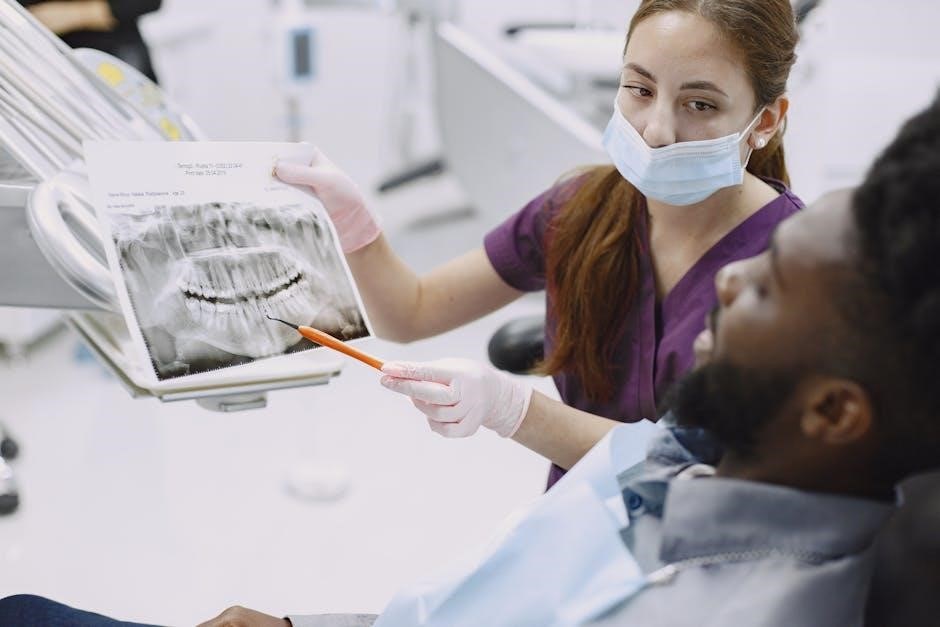
Navigating dental costs can be challenging‚ but several resources are available to Alberta patients. The Alberta Dental Association (ADA) website (www.albertadentalassociation.ca) provides a wealth of information‚ including explanations of common procedures and associated fees as outlined in the 2026 Fee Guide.
The Government of Alberta also offers resources related to dental health and financial assistance programs. Patients with limited income may qualify for programs like Alberta Seniors Dental Health Program or other assistance initiatives. Information can be found on the Alberta Health Services website.
Furthermore‚ many dental insurance providers offer online portals and customer service representatives to help patients understand their coverage and estimated out-of-pocket expenses. Comparing quotes from different insurance companies is advisable. Finally‚ don’t hesitate to discuss costs directly with your dentist’s office; they can often provide a detailed treatment plan with associated fees before proceeding with any work.
Navigating Dental Insurance and Fee Guides
Understanding the interplay between dental insurance and the Alberta Dental Association’s Fee Guide is crucial for Albertan patients. Most dental insurance plans base their coverage on a percentage of the ADA Fee Guide‚ meaning the insurance company recognizes a specific amount for each procedure.
However‚ it’s vital to note that insurance plans often cover a different percentage of the fee guide amount – commonly 80%‚ 90%‚ or 100% – leaving patients responsible for the remaining balance. The 2026 Fee Guide’s increases may result in higher out-of-pocket costs‚ even with insurance‚ as the base fee for procedures has risen.
Patients should carefully review their insurance policies to understand their coverage levels and any annual maximums. Furthermore‚ be aware that some plans have limitations on specific procedures or require pre-authorization. Direct communication with both your insurance provider and your dentist’s office is essential to clarify coverage and potential costs before treatment begins‚ especially considering the evolving landscape with the Canadian Dental Care Plan.
Tips for Managing Dental Expenses
Given the recent increases in Alberta’s dental fees‚ proactive expense management is more important than ever. Prioritize preventative care – regular check-ups and cleanings – as these are typically the most affordable dental services and can prevent costly problems down the line.
Discuss treatment options with your dentist‚ exploring alternatives that may be more budget-friendly. Don’t hesitate to ask about payment plans or financing options offered by the dental practice. Consider utilizing the Canadian Dental Care Plan (CDCP) if eligible‚ understanding its coverage and limitations.
Compare fees between different dental practices‚ but remember that quality of care should be a primary consideration. Take advantage of dental insurance benefits fully‚ maximizing coverage before the end of the policy year. Explore community dental clinics or dental schools‚ which may offer reduced-cost services. Finally‚ maintain good oral hygiene at home to minimize the need for extensive and expensive treatments.
Future Outlook for Alberta Dental Fees
Looking ahead‚ the future of Alberta’s dental fees remains closely tied to the evolving landscape of the Canadian Dental Care Plan (CDCP). The ADA continues to voice concerns regarding the CDCP’s potential impact on dentist workloads and practice sustainability‚ suggesting further fee adjustments may be necessary.
Ongoing economic factors‚ including inflation and operational costs‚ will undoubtedly influence future fee increases. The relationship between Alberta’s higher fee structure and other provinces is likely to remain a point of discussion and potential adjustment. Monitoring the CDCP’s rollout and its effects on patient access and dentist participation will be crucial.
Expect continued scrutiny of the fee guide by both the Alberta Dental Association and patients. Transparency in fee structures and clear communication regarding treatment costs will be paramount. Ultimately‚ the future outlook suggests a dynamic environment requiring ongoing adaptation and collaboration between dental professionals‚ policymakers‚ and patients.